Early-Season Pothole Patching Tactics That Keep Repairs from Re-Opening
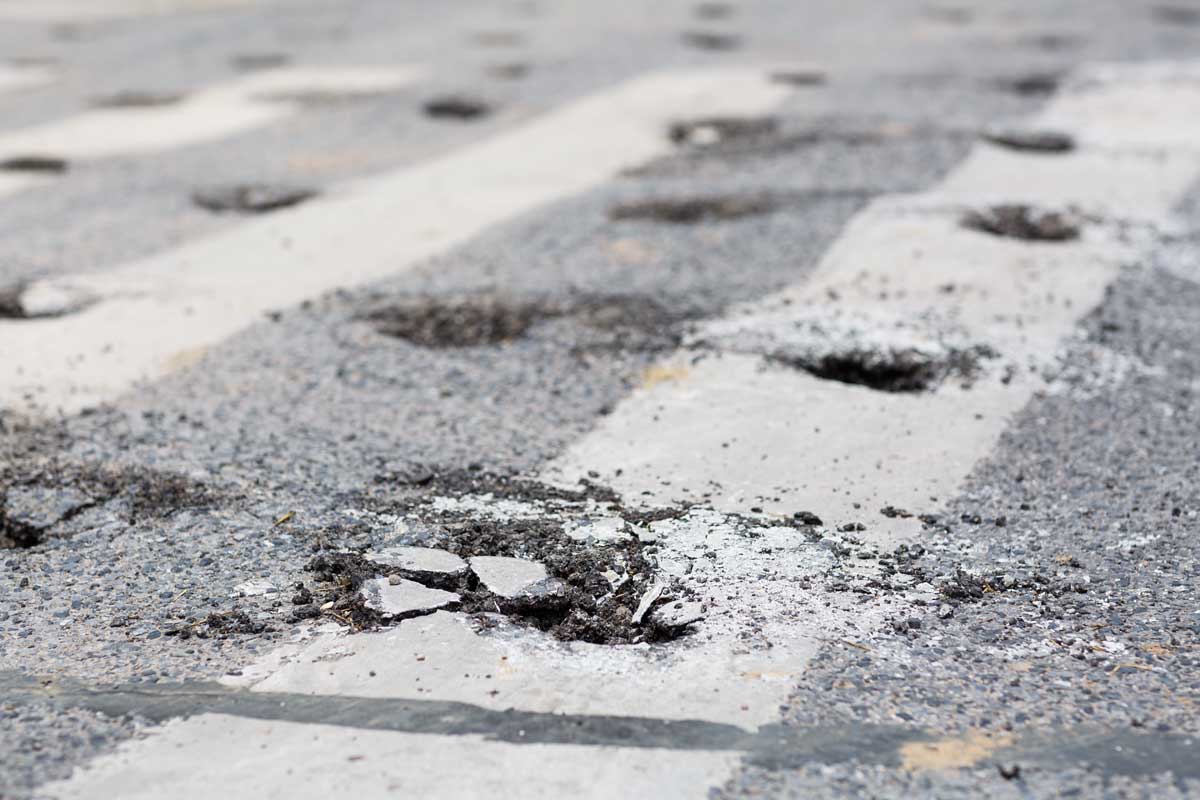
Spring thaw is when potholes, and frustrated phone calls, multiply. But it’s also the time crews are forced to patch with less-than-ideal weather, limited hot-mix availability, and saturated pavement. The result is all too familiar: a “fixed” hole pops back open weeks, or even days, later. The tactics below focus on preventing that re-opening cycle while you wait for full-depth summer repairs.
Understand Why Early-Season Patches Fail
-
Water still in the hole undermines bond strength and accelerates freeze-thaw damage.
-
No tack (bond) coat means the patch can ravel out under shear.
-
Insufficient compaction (often due to cold mix stiffness or “bridging” over moisture) leaves voids for water ingress.
-
Temperature differential, cold pavement edge versus warmer patch, stops the mix from knitting.
The FHWA Manual of Practice documents that most short-lived repairs shared at least one of these conditions (highways.dot.gov).
Pick the Right Weather Window
-
Aim for pavement temps above 32 °F (0 °C); >40 °F (4 °C) is ideal.
-
Suspend operations during active precipitation or when standing water is visible.
-
If you must patch colder, use infrared heaters (see Section 6) or high-performance proprietary cold mixes rated to -5 °C.
Crews in British Columbia found that simply delaying work 24 hours after a rain event nearly doubled patch life (burnabyblacktop.ca).
Use Materials that Stick in the Shoulder Season
| Material | Effective Temp | Expected Service Life* | Notes |
|---|---|---|---|
| High-performance cold mix (polymer-modified) | -5 °C → 35 °C | 6-12 mo | Stockpile-friendly; needs firm compaction |
| Spray-injection emulsion | 0 °C → 30 °C | 1-2 yr | Cleans, tacks, and fills in one pass |
| Hot-mix (bagged or trailer) | >40 °F pavement | 2-4 yr | Best durability but limited early-season supply |
| *Field studies compiled by FHWA (highways.dot.gov) |
Preparation Is the Make-or-Break Step
-
Cut & square ragged edges to sound pavement.
-
Remove debris and water with high-pressure air and a heated lance.
-
Apply tack coat to all vertical faces, even with cold mix, to ensure adhesion (asphaltmagazine.com).
-
Slightly overfill (≈ 0.5 in/12 mm) to account for densification.
Compaction Techniques That Last
-
Use a vibratory plate or small roller; four passes minimum.
-
Compact from the center outward to chase air toward edges.
-
If traffic must reopen immediately, drop a thin layer of coarse sand to prevent pick-up on tires.
Well-compacted cold-mix patches outlasted “throw-and-roll” patches by a factor of three in FHWA trials (highways.dot.gov).
Advanced Options for Tough Conditions
| Method | Why It Helps | Early-Season Benefit | Citation |
|---|---|---|---|
| Infrared thermal patching | Heats existing asphalt and new mix to ±325 °F, fusing them | Works below freezing; seamless joint resists water | (doctorasphaltllc.com) |
| Mastic patching | Rubber-modified asphalt + aggregates fills irregular voids | Flexible in freeze-thaw, fast set | (asphaltmagazine.com) |
| Fiber-reinforced cold mix | Added tensile strength | Reduces raveling under early traffic | (highways.dot.gov) |
Quality Control & Follow-Up
-
Re-inspect after one week; depressions >⅜ in (10 mm) indicate consolidation and need topping.
-
Track each patch in a simple log (location, material, weather, failure date). Crews who analyzed their logs cut repeat visits by 25 % in one season (burnabyblacktop.ca).
Crew Safety & Traffic Control
Early-spring daylight is short and driver patience shorter. Use daytime closures where possible, flaggers with high-visibility Type R garments, and keep work zones compact—especially with spray-injection rigs that can operate from the shoulder.
Early-season pothole repairs will never equal the life of a midsummer mill-and-fill, but following the tactics above, sound prep, the right cold-weather materials, thorough compaction, and emerging technologies like infrared, can stretch a “temporary” fix well into next year’s paving program. Patch it right, keep it tight, and you won’t see that hole again until you’re ready for a permanent solution.


Life-Cycle Assessment of Pavement Alternatives: Quantifying Environmental Impacts from Cradle to Grave

When Is the Best Time of Year to Sealcoat?

Poor Subgrade Support: Detecting and Fixing the Root of Premature Rutting

Developing a Pavement Rehabilitation Plan Based on PCI Data

Joint Resealing & Spall Repair for Concrete Roads
