Articles Tagged: asphalt paving
Pavement design isn’t just about strength, smoothness, and cost anymore. It’s also about sustainability-how each material and process affects the environment across its entire lifespan. That’s where Life-Cycle Assessment (LCA) comes in. This analytical approach measures the total e…
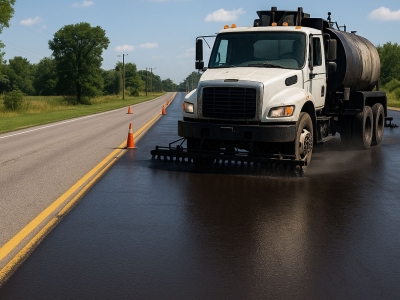
Sealcoating is one of the simplest and most cost-effective ways to protect your asphalt pavement, but timing is everything. Apply it too early in the season and cold temperatures can prevent the material from curing properly. Wait too late, and cool nights or early frost can ruin a perfectly good jo…
Why Build a Plan Around PCI? The Pavement Condition Index (PCI) converts field observations of surface distress into a single 0-100 score. Using a standardized metric lets agencies: Objectively compare pavement segments across the entire network. Quantify long-term needs and justify funding. Trigger…
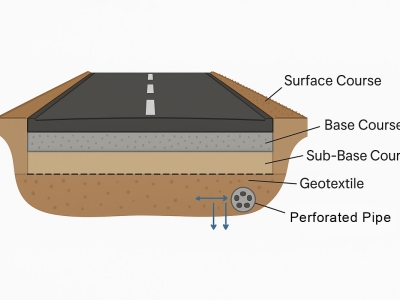
The base and sub-base layers sit between your surface course (asphalt or concrete) and the native subgrade. They distribute traffic loads, provide frost protection, and create a stable platform for paving equipment. Because traffic volumes, truck percentages, and utility demands vary dramatically be…
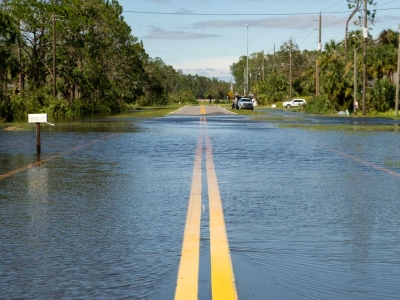
Water is the silent saboteur of pavement systems. Long before potholes, pop-outs, or rutting appear on the surface, moisture is busy stripping asphalt binders from aggregate, wedging ice crystals into concrete capillaries, and eroding the structural integrity that keeps our roads and parking lots so…
Comparing Pervious Concrete, Porous Asphalt, and Interlocking Concrete Pavers (PICP) Why Permeable Pavements Matter Conventional pavements shed rainfall almost instantly, sending large volumes of runoff, and its pollutants, into pipes, channels, and ultimately receiving waters. Permeable (a.k.a. per…
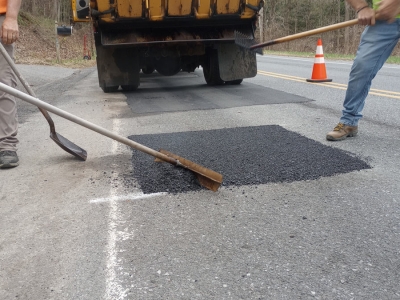
When a pavement distress shows up, the clock is ticking: water will keep infiltrating, loads will keep pounding, and small flaws will morph into costly rebuilds. Choosing the right patching method, matched to the failure’s cause, extent, traffic level, and climate, reclaims service life effici…
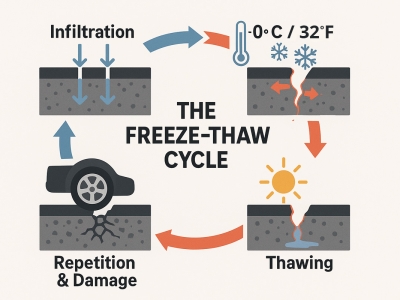
In cold-climate regions, a single kilometre of asphalt pavement can experience 50-100 freeze-thaw events every winter. Each event may seem insignificant, but together they account for billions of dollars in pavement‐related repair costs, traffic delays, and vehicle damage every year. Understanding t…
A “long-life” or perpetual asphalt pavement is engineered so that the bottom of the asphalt structure never experiences fatigue cracking during its design life (often > 50 years). When distress finally appears, it is confined to the upper few inches and can be removed with a mill-and-…